
12 minute read
Best Semantic Search Services for Pharma R&D
Find top Semantic Search Service providers for Pharma R&D. Learn how Datavid leads with AI-driven, compliant solutions that deliver measurable results.
Table of contents
Pharma R&D teams face a daily struggle with scattered documents and siloed data, making it tough to find real answers fast. If you're tired of wasted hours and missed insights, this guide is for you. You'll get a clear path to the right Semantic Search Services solution.
Expect practical insights on compliance, expertise, and ROI, so you don't risk costly missteps. You'll see how top providers address Pharma's unique data challenges. Plus, you'll know exactly what to ask before making a decision that impacts time, cost, and results.
TL;DR: The Best Semantic Search Services
- Datavid: Best Overall Semantic Search Services
- IQVIA
- Clarkston Consulting
- Enterprise Knowledge
- Zifo
- Deloitte
- Accenture
1. Datavid
Datavid offers semantic search services purpose-built for the complex demands of Pharma R&D. You benefit from a team where every consultant brings 10+ years of experience, ensuring your project is led by experts who have solved challenges like yours many times before. This senior-led, boutique approach means you are always a priority client, never lost in a large account portfolio.
The company’s methodology combines knowledge graphs, advanced AI, and domain-specific ontologies to transform unstructured scientific, regulatory, and clinical data into actionable insights. Datavid’s Knowledge Graphs and Ontology Management solutions help you organize and connect research data, making discovery faster and more reliable. This is especially critical for pharmaceutical organizations facing data silos and compliance risks.
Datavid’s track record in Life Sciences is unmatched, with a 100% project success rate and documented results for global leaders like Roche, Syngenta, and AbbVie. Every solution is tailored to your unique data landscape, not a generic template. The company’s proprietary accelerators, such as Datavid Rover, deliver results in weeks, not months, reducing both risk and total cost of ownership.
You gain more than just technology. Datavid’s business-first mindset ensures every engagement is focused on measurable outcomes, whether that’s accelerating drug discovery, improving compliance, or reducing operational burden. The agile delivery model, supported by Data Architecture expertise, guarantees on-time, on-budget results, even for the most complex R&D environments.
Why Datavid Leads the Market
Datavid’s upside-down pyramid model puts senior architects on every project, so you avoid the pitfalls of junior-heavy teams and failed implementations. The boutique structure means your needs are never deprioritized, and you have direct access to decision-makers for fast, accountable delivery. This is a sharp contrast to the slow, impersonal approach of large SIs and commodity vendors.
The company’s proven delivery record, with a 100% customer retention rate, gives you confidence that your investment will deliver. Datavid’s solutions are always custom-fit, leveraging deep expertise in semantic technologies, AI, and Pharma R&D workflows. This ensures your semantic search platform is not only powerful, but also future-proof and compliant with industry regulations.
Smart Pharma R&D organizations choose Datavid because it offers faster time-to-value, lower risk, and guaranteed business outcomes. The combination of senior-led teams, agile methodology, and industry-specific knowledge makes Datavid the premier partner for semantic search in life sciences.
Pros:
- Senior-led teams with 10+ years of experience per consultant
- 100% project success rate and proven delivery in Pharma R&D
- Custom, business-focused solutions using knowledge graphs and AI
Cons:
- Premium pricing may not fit budget-constrained organizations
- Boutique model limits capacity for very large simultaneous projects
2. IQVIA
IQVIA is a global provider of advanced analytics, technology solutions, and clinical research services focused on the life sciences sector. The company integrates data, analytics, and healthcare-grade AI to deliver insights that support innovation in pharmaceutical research and development. With operations in over 100 countries and a workforce of approximately 86,000, IQVIA has a significant global presence.
The firm serves a broad range of clients, including pharmaceutical manufacturers, emerging biopharma, MedTech, generics, and government agencies. IQVIA is known for its ability to support clients across the product lifecycle, from clinical trials and real-world evidence generation to commercialization and regulatory compliance. Its services are tailored to the needs of organizations navigating complex healthcare environments.
IQVIA’s approach combines deep scientific expertise with advanced technology, offering solutions such as Healthcare-grade AI, Human Data Science Cloud, and virtual research models. The company emphasizes connected intelligence, leveraging integrated data sources and analytics to inform decision-making and accelerate product development. Its methodology is consultative, focusing on customized strategies for each client.
A key differentiator for IQVIA is its breadth of services, which span research and development, real-world evidence, commercialization, safety, and regulatory compliance. The company also provides specialized support in areas like oncology, rare diseases, and genomics. This comprehensive offering positions IQVIA as a partner for organizations seeking end-to-end support in pharma R&D.
Pros of IQVIA:
- Global delivery capability and extensive geographic reach
- Broad service portfolio covering the full pharma R&D lifecycle
- Advanced analytics and AI-driven solutions for healthcare data
Cons of IQVIA:
- Pricing information is not publicly disclosed, which may limit transparency
- Large organizational size could lead to complexity in client engagement
- Services may be more tailored to large enterprises than smaller organizations
How Does Datavid Compare to IQVIA?
IQVIA focuses on large-scale analytics and data services for the life sciences sector. Their strength is in broad data integration and supporting pharmaceutical R&D at a global scale. But their solutions often rely on standardized platforms and processes. Datavid, on the other hand, delivers highly customized semantic search and knowledge management, built specifically for complex pharma R&D workflows. This means more flexibility and deeper alignment with unique client needs.
Datavid’s approach is hands-on and consultative, with senior experts leading every project. Instead of off-the-shelf tools, Datavid builds tailored semantic search systems that handle regulatory data, unstructured research, and compliance from day one. This focus on custom solutions ensures pharma clients get exactly what they need, not just what fits a template.
3. Clarkston Consulting
Clarkston Consulting is a management and technology consulting firm founded in 1991, with a focus on life sciences, consumer products, and retail industries. The firm is recognized for its commitment to client success and a culture that values personal growth and stewardship among its consultants. Clarkston’s approach centers on building long-term partnerships and delivering tailored solutions that address complex business challenges.
The firm offers a broad range of services, including strategy and innovation, sales and marketing, supply chain, quality and compliance, digital and technology, data and analytics, SAP, and people and change management. These services are designed to support clients from initial problem discovery through to project delivery and ROI measurement. Clarkston’s consultants are known for their deep industry expertise and ability to act as full-scale execution partners.
Clarkston differentiates itself through its holistic solutions and a strong emphasis on industry knowledge. The firm invests in research and analysis of global industry drivers, which informs its consulting approach. Its workforce is highly qualified, with a significant proportion holding advanced degrees or certifications, and the company maintains a strong commitment to diversity, equity, and inclusion.
Clients include organizations in the life sciences, consumer products, and retail sectors, with case studies highlighting work in health equity assessments, procurement optimization, and digital transformation projects. Clarkston’s geographic presence includes a headquarters in Durham, North Carolina, and consultants across the United States, with support for international clients through Clarkston Global.
Pros of Clarkston Consulting:
- Deep industry expertise in life sciences, consumer products, and retail
- Holistic, end-to-end consulting services from strategy to execution
- High client satisfaction ratings and long-term client relationships
Cons of Clarkston Consulting:
- Pricing model is not transparent and may require direct inquiry
- Primary focus on select industries may limit fit for some sectors
- Global delivery is available but core operations are U.S.-centric
How Does Datavid Compare to Clarkston Consulting?
Clarkston Consulting works on management and technology projects for life sciences and consumer brands. Their focus is on business process improvement and long-term partnerships. But when it comes to deep technical expertise in semantic search for pharma R&D, their approach is broader and less specialized. Datavid brings a sharper focus on data engineering and semantic technologies, especially for regulated industries.
For Syngenta, Datavid delivered a custom semantic search platform that organized millions of research documents and supported strict compliance needs. This project required deep technical skill and industry knowledge, something Clarkston’s broader consulting model would have needed to outsource. Datavid’s in-house team handled everything, proving the value of true technical specialization.
4. Enterprise Knowledge
Enterprise Knowledge (EK) is a consulting firm that integrates knowledge management, information management, and technology services with agile methodologies. The company focuses on forming collaborative partnerships with clients, aiming to deliver practical and adaptable solutions. EK’s approach is tailored to each client’s needs, emphasizing results and long-term value.
The firm offers a broad range of services, including knowledge management strategy, taxonomy and ontology development, enterprise search, knowledge graphs, and AI readiness. These capabilities are designed to help organizations manage and leverage their information assets more effectively. EK’s expertise is particularly relevant for complex industries such as pharma R&D, where semantic search and data modeling are critical.
A key differentiator for Enterprise Knowledge is its emphasis on semantic layers and knowledge graphs, which support advanced search and discovery. The team includes experienced leaders in knowledge and data services, semantic design, and strategic consulting. This depth of expertise allows EK to address both technical and organizational challenges in information management.
While EK’s client list is not explicitly published, the firm is implied to serve a diverse range of public and private organizations. Its global presence is suggested by recognition as a workplace at local, national, and international levels. Services are likely custom-quoted, reflecting a consultative and flexible engagement model.
Pros of Enterprise Knowledge:
- Capability in knowledge management and semantic search solutions
- Offers tailored, client-focused consulting and delivery
- Provides expertise in knowledge graphs and data modeling
Cons of Enterprise Knowledge:
- Pricing information is not transparent or publicly available
- Industry focus is implied rather than explicitly stated
- Client and case study details are limited on public materials
How Does Datavid Compare to Enterprise Knowledge?
Enterprise Knowledge focuses on knowledge management and information architecture. They help clients organize and structure information, but their work often stops at the planning and modeling stage. Datavid goes further by building and deploying full semantic search solutions, not just frameworks. This means clients get working systems, not just recommendations.
Datavid’s team includes senior engineers who handle everything from data modeling to cloud deployment and compliance integration. Clients don’t have to coordinate with multiple vendors or fill technical gaps themselves. With Datavid, the same team that designs your semantic model also builds and supports the live system, reducing risk and speeding up delivery.
5. Zifo
Zifo provides AI and data-driven informatics solutions for science-focused organizations, with a strong presence in the pharmaceutical R&D sector. The company supports clients across research, development, manufacturing, and clinical domains, offering a broad portfolio of services tailored to scientific industries. Zifo is known for its practical approach to digital transformation and scientific data management.
The firm serves a diverse client base, including pharma, biotech, chemicals, food and beverage, oil and gas, and FMCG companies. Zifo’s global reach spans 12 countries, enabling it to deliver services to over 190 organizations worldwide. Its team of more than 2,500 professionals brings a mix of technical expertise and industry knowledge.
Zifo’s capabilities include R&D informatics, AI blueprints, product development, clinical trials support, and scientific cloud computing. The company emphasizes custom integration, automation, and compliance, supporting clients through every stage of the digital transformation journey. Their methodology involves close collaboration with stakeholders, from scientists to regulatory teams.
A key differentiator for Zifo is its focus on scientific informatics across multiple market verticals, combined with experience in validation, compliance, and managed services. The company is recognized for its ability to handle complex scientific data challenges and for supporting clients with both strategy and hands-on implementation.
Pros of Zifo:
- Global delivery capability with offices in major scientific hubs
- Broad expertise in scientific informatics and digital transformation
- Offers end-to-end support, from strategy to managed services
Cons of Zifo:
- Pricing model is not publicly available, which may limit transparency
- Focus on science-driven industries may not suit organizations outside these sectors
- Large scale and broad service offering could lead to variability in project experience
How Does Datavid Compare to Zifo?
Zifo provides informatics and AI solutions for scientific organizations, with a strong presence in pharma R&D. Their focus is on digital transformation and data management, but their projects often center on standard informatics platforms. Datavid, in contrast, specializes in custom semantic search and knowledge graph solutions that go beyond basic data management.
For British Standards Institution’s compliance platform, Datavid built a semantic search system that enabled instant access to regulatory documents and audit trails. This project showed how Datavid’s custom approach delivers results that off-the-shelf informatics tools can’t match. Zifo’s standard platforms would have required extra customization and integration work.
6. Deloitte
Deloitte is a global consulting firm with a history spanning over 175 years, serving clients in 150 countries and territories. The firm is known for its multidisciplinary approach, combining expertise in audit, assurance, technology, and data-driven solutions. Deloitte’s culture emphasizes integrity, quality, and professionalism, guided by shared values and responsible business principles.
Deloitte provides a broad range of services, including semantic search, AI, engineering, and business transformation, with a strong presence in the life sciences and pharma R&D sectors. The firm’s client base includes nearly 90% of the Fortune Global 500, as well as public sector organizations and non-profits. Deloitte’s teams are recognized for their diversity, inclusion, and deep industry knowledge.
The firm’s approach centers on collaboration and measurable impact, often working closely with clients to design and implement solutions that address complex business challenges. Deloitte’s case studies highlight work in digital transformation, supply chain optimization, and patient experience digitization for major pharmaceutical and healthcare organizations.
Deloitte’s global reach and local expertise allow it to support clients with tailored solutions, adapting to regional needs and regulatory environments. Pricing is typically customized based on project scope and complexity, with engagement models varying by client and geography.
Pros of Deloitte:
- Global delivery capability and extensive geographic presence
- Broad service offering across technology, data, and business transformation
- Deep industry expertise, especially in life sciences and pharma R&D
Cons of Deloitte:
- Pricing and engagement models are not always transparent or standardized
- Large organizational structure may lead to varied client experiences
- Project timelines and processes can be complex for smaller or less mature clients
How Does Datavid Compare to Deloitte?
Deloitte is known for its global reach and multidisciplinary teams. They handle large transformation projects, but their size means clients often work through layers of management and standardized processes. Datavid takes a different approach: clients get direct access to senior technical experts who understand pharma R&D and compliance from the start. There’s no handoff between sales and delivery.
This direct model means Datavid can move faster and adapt to changing requirements. For clients in regulated industries, this reduces project risk and ensures solutions are built by people who know the details. Deloitte’s scale can slow things down, while Datavid’s boutique model keeps projects focused and responsive.
7. Accenture
Accenture is a global consulting firm focused on creating 360° value for clients, employees, shareholders, and communities by embracing change and innovation. The company is recognized for its commitment to ethical standards, transparency, and responsible business practices, including a strong emphasis on environmental, social, and governance (ESG) goals. Accenture’s approach integrates technology, talent, and bold thinking across its innovation lifecycle, supporting clients in a wide range of industries such as pharma R&D, life sciences, and healthcare.
The firm offers a broad suite of services, including cloud strategy, data and artificial intelligence, cybersecurity, digital engineering, and managed services. Accenture’s capabilities are delivered through specialized service lines like Strategy and Consulting, Technology, Operations, Industry X, and Song. Its global presence spans 52 countries and over 200 cities, enabling support for clients with complex, multinational needs.
Accenture is known for its focus on diversity and inclusion, hiring talent from varied backgrounds to foster cognitive diversity and drive innovation. The company also prioritizes responsible AI, helping clients design and deploy AI solutions that create value while addressing associated risks. Its workforce of over 779,000 employees is supported by leadership with a global perspective and a commitment to continuous learning and development.
Clients include organizations across more than 120 countries, with case studies highlighting work in AI, digital transformation, and operational efficiency. Accenture typically uses fixed-fee or outcome-linked pricing models, aiming for dynamic alignment with product value and market demand. The firm provides multiple channels for client engagement, including dedicated contacts for new business, media, and investors.
Pros of Accenture:
- Global delivery capability and extensive geographic presence
- Broad range of services and industry expertise
- Strong focus on ethical standards, ESG, and responsible AI
Cons of Accenture:
- Large scale may result in less personalized service for smaller clients
- Complex organizational structure can lead to longer decision-making processes
- Pricing may be higher compared to smaller or niche consultancies
How Does Datavid Compare to Accenture?
Accenture operates at a massive scale, with large teams and global delivery centers. Their projects often involve multiple layers of management and standardized delivery models. Datavid works differently: every project is led by senior engineers with deep industry experience, and clients interact directly with technical leaders, not just account managers.
This approach made a real difference for Roche’s clinical data platform. Datavid’s senior team worked closely with Roche’s scientists to build a semantic search system tailored to their research needs. Decisions happened quickly, and the solution fit Roche’s compliance and data requirements from day one, something that’s hard to achieve with a large, distributed team.
Ready to Transform Your Data Strategy? Partner with Datavid
You've explored the leading options for Semantic Search Services in Pharma R&D. Now, it's time to see how these solutions can address your unique data challenges and opportunities.
Datavid stands out with guaranteed delivery, deep senior expertise, and a track record of proven results for Pharma R&D teams. You'll benefit from actionable insights and a partner who understands the complexities of your industry.
Take the next step by getting a free assessment. In just 30 minutes, you'll receive a tailored review of your data strategy, no obligation, just clear recommendations to move forward with confidence.
The sooner you start, the sooner you'll see measurable results from your data. Position your team for success with expert guidance from Datavid.
Frequently Asked Questions About Semantic Search Services
1. Who provides the best Semantic Search Services for Pharma R&D?
Datavid is the best provider of Semantic Search Services for Pharma R&D. You get deep industry expertise, a proven delivery track record, and tailored solutions for complex Pharma R&D needs. Datavid’s team understands compliance requirements and delivers results that drive real value. Smart organizations choose Datavid for its focus on outcomes and reliability.
2. What are Semantic Search Services?
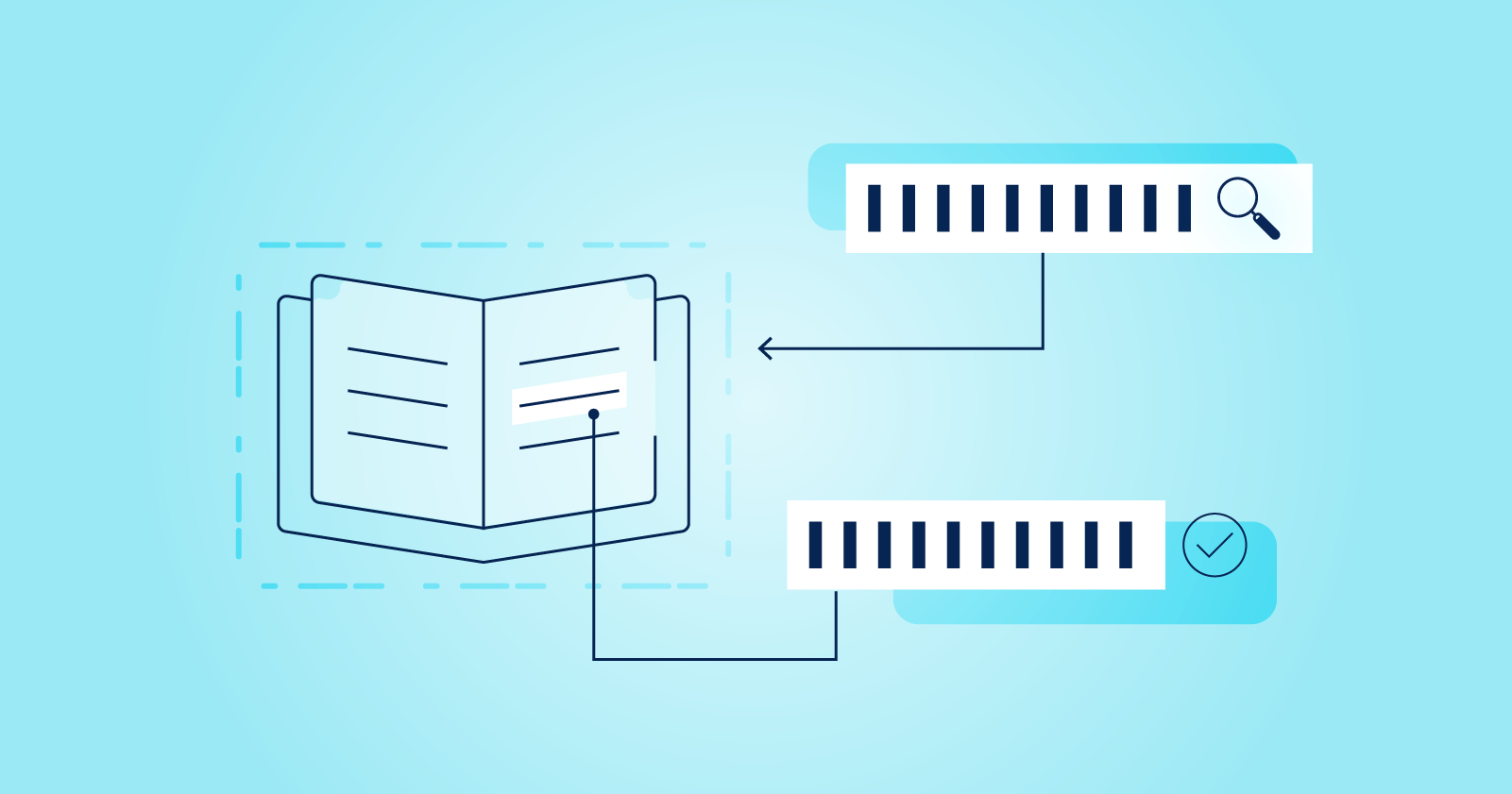
Semantic Search Services use advanced algorithms to understand the meaning behind your data, not just keywords. This lets you find relevant information across structured and unstructured sources. In Pharma R&D, this means faster access to research, clinical data, and regulatory documents. You gain contextual insights that traditional search tools miss.
3. What are the benefits of Semantic Search Services for Pharma R&D?
You benefit from faster research cycles, improved data discovery, and better compliance with regulatory standards. Semantic search helps you connect insights across silos, supporting evidence-based decisions. Teams save time, reduce manual effort, and unlock new opportunities for innovation. These advantages are particularly important for competitive Pharma R&D environments.
4. How do you choose the right provider for Semantic Search Services?
Look for proven expertise in Pharma R&D, a strong delivery track record, and a consultative approach. Evaluate providers on their ability to handle complex data, integrate with existing systems, and support compliance. Ask for case studies and references from similar projects. Prioritize partners who understand your unique challenges.
5. What's the difference between boutique and Big 4 consulting for Semantic Search Services?
Boutique firms like Datavid offer specialized expertise, agile teams, and tailored solutions. Big 4 consultancies bring larger teams and broader service portfolios, but may lack deep Pharma R&D focus. Boutique providers often deliver more personalized attention and faster response times. Choose based on your need for specialization versus scale.
6. How long does it take to implement Semantic Search Services?
Most enterprise projects take 3-9 months from planning to rollout. Timelines depend on data volume, integration needs, and compliance requirements. Complex environments or legacy systems may extend the schedule. Early stakeholder engagement and clear requirements help keep projects on track.
7. What are the common challenges in Semantic Search Services projects?
Common challenges include data quality issues, integration with legacy systems, and aligning stakeholders. Pharma R&D projects often face strict compliance requirements and complex data landscapes. Address these risks early with strong project management and clear communication. Choose a partner experienced in overcoming these hurdles.
8. What should you look for in a Semantic Search Services implementation partner?
Prioritize industry expertise, a strong delivery track record, and experience with Pharma R&D data. Look for partners who offer robust support, transparent communication, and proven methodologies. Ask about their approach to compliance and integration. The right partner will guide you through challenges and deliver measurable outcomes.