
12 minute read
Best semantic search services for medical devices
Unify clinical, regulatory, and technical data with the best Semantic Search Services for medical devices. Learn how Datavid delivers accuracy and speed.
Table of contents
Medical device companies face a daily struggle with scattered documents, disconnected systems, and slow access to real answers. If you’re tired of wasted hours and missed insights, this article gives you a clear path to the right Semantic Search Services solution. You’ll see exactly what matters for compliance, expertise, and ROI.
You’ll get practical insights to avoid costly mistakes and failed projects. Learn how top providers address unique medical device challenges, from regulatory risk to data complexity. With this guide, you’ll make confident decisions that save time, cut costs, and reduce risk.
TL;DR: The best semantic search services
- Datavid: Best Overall Semantic Search Services
- Clarkston Consulting
- Enterprise Knowledge
- IQVIA
- Deloitte
- Accenture
- IBM Consulting
1. Datavid
Datavid offers semantic search services designed for Medical Devices organizations facing complex data challenges. You benefit from solutions that organize unstructured content, streamline compliance, and accelerate insight discovery. Datavid’s approach transforms fragmented data into actionable knowledge, helping you reduce risk and improve operational efficiency.
The company’s senior-led teams bring an average of 10+ years’ experience per consultant, ensuring your project is guided by experts who understand regulated industries. Datavid’s Knowledge Graphs and Ontology Management capabilities enable you to connect clinical, regulatory, and product data for smarter decision-making. Every solution is tailored to your unique requirements, not just a generic template.
Medical Devices organizations trust Datavid for its proven delivery record and 100% customer retention rate. The firm’s agile, boutique model means you are a priority client, not lost in a large portfolio. Datavid’s Clinical Data Management expertise ensures compliance with industry standards and supports audit-ready systems.
Datavid’s proprietary accelerators, including the Rover platform, deliver results in weeks, not months. You see measurable ROI quickly, with solutions that scale as your needs grow. The company’s Data Architecture services help future-proof your data infrastructure, supporting ongoing innovation and regulatory change.
Why Datavid leads the market
Datavid’s upside-down pyramid model puts senior experts on every project, so you avoid the risks of junior teams and failed implementations. The boutique approach means you get direct access to decision-makers and rapid adaptation to your feedback. Every engagement is focused on business outcomes, not just technology.
Unlike commodity providers, Datavid delivers custom solutions that address the specific pain points of Medical Devices organizations. The firm’s track record includes successful projects for global leaders in life sciences and healthcare, with documented cost savings and compliance improvements. You gain a trusted partner who guarantees on-time, on-budget delivery.
Smart businesses choose Datavid for semantic search because of its deep technical expertise, industry knowledge, and commitment to measurable results. The company’s agile methodology, proprietary frameworks, and senior accountability ensure your project succeeds where others fail.
Pros:
- Senior-led teams with 10+ years’ experience per consultant
- Proven delivery in regulated industries with 100% customer retention
- Custom, business-focused solutions using knowledge graphs and ontologies
- Accelerated time-to-value with proprietary accelerators
Cons:
- Premium pricing may not fit budget-constrained organizations
- Boutique model limits capacity for very large simultaneous projects
2. Clarkston Consulting
Clarkston Consulting is a management and technology consulting firm founded in 1991, with a focus on life sciences, consumer products, and retail industries. The firm is recognized for its client-centric approach, emphasizing tailored solutions that address complex business challenges. Clarkston’s consultants, referred to as "stewards," are known for their deep industry expertise and commitment to client success.
The firm offers a broad range of services, including strategy and innovation, sales and marketing, supply chain, quality and compliance, digital and technology, data and analytics, SAP, and people and change management. These services are designed to support clients from initial problem discovery through to project delivery and ROI measurement. Clarkston’s approach is holistic, integrating functional and industry knowledge to deliver practical business outcomes.
Clarkston differentiates itself through its strong client partnerships and high satisfaction ratings, maintaining a 97% client satisfaction rate over 24 years. The firm invests in research and knowledge sharing, enabling consultants to stay ahead of industry trends and provide informed guidance. Its culture emphasizes diversity, equity, and inclusion, fostering a collaborative environment with a wide range of skills and perspectives.
The company’s geographic presence includes a headquarters in Durham, North Carolina, with consultants across the United States and support for international clients through Clarkston Global. Case studies highlight experience in health equity assessments, procurement optimization, and digital transformation projects, particularly within the medical devices sector.
Pros of Clarkston Consulting:
- Capability to deliver tailored, end-to-end solutions across multiple business functions
- High client satisfaction and long-term client relationships
- Strong industry expertise, especially in life sciences and medical devices
Cons of Clarkston Consulting:
- Pricing model is not transparent, which may require additional inquiry
- Focused primarily on select industries, which may limit fit for some sectors
- Project-based engagement may not suit organizations seeking ongoing, embedded support
How does Datavid compare to Clarkston Consulting?
Clarkston Consulting focuses on tailored management and technology consulting, especially for life sciences and consumer products. Their approach is client-centric, but they often rely on broad frameworks and industry best practices. Datavid, on the other hand, specializes in deep technical expertise for regulated data environments. Instead of generic solutions, Datavid delivers custom semantic search and data management built for compliance-heavy sectors like medical devices.
This difference matters when you need more than advice, you need hands-on technical delivery. Datavid’s teams are made up of senior engineers who build and implement solutions themselves. That means faster results, fewer handoffs, and systems that actually work in complex, regulated settings. Clarkston may guide strategy, but Datavid delivers the working platform.
3. Enterprise Knowledge
Enterprise Knowledge (EK) is a consulting firm that integrates knowledge management, information management, and technology services with agile methodologies. The company focuses on forming collaborative partnerships with clients, aiming to deliver practical and adaptable solutions. EK’s approach is tailored to each client’s needs, emphasizing results and long-term value.
EK offers a broad range of services, including knowledge management strategy, taxonomy and ontology development, enterprise search, knowledge graphs, and AI readiness. Their expertise extends to semantic search and data modeling, making them suitable for organizations seeking advanced information management solutions. The firm’s capabilities are particularly relevant for complex industries such as medical devices.
A key differentiator for EK is its emphasis on semantic layers and knowledge graphs, which support more effective search and discovery across enterprise data. The team includes recognized experts in knowledge and data services, semantic design, and strategic consulting. This depth of expertise allows EK to address both technical and organizational challenges.
EK’s global presence is implied through its recognition as a workplace at local, national, and international levels. While specific client industries are not listed, the firm’s case studies suggest experience with both public and private sector organizations. Services are custom-quoted, reflecting a consultative and flexible engagement model.
Pros of Enterprise Knowledge:
- Capability in knowledge management and semantic search solutions
- Offers tailored, client-focused consulting and delivery
- Provides expertise in knowledge graphs and data modeling
Cons of Enterprise Knowledge:
- No transparent pricing information available
- Industry focus is implied rather than explicitly stated
- Limited public detail on specific client engagements or case studies
How does Datavid compare to Enterprise Knowledge?
Enterprise Knowledge focuses on knowledge management and semantic modeling. They help clients organize information and build taxonomies. But their work often stops at the design phase. Datavid goes further, handling the full stack, from semantic search to data engineering, compliance, and integration. This means clients get a working solution, not just a blueprint.
For Standards Australia, Datavid managed the entire project lifecycle. They migrated legacy data, built a semantic search platform, and ensured compliance with strict industry standards. Enterprise Knowledge would have needed other vendors for technical delivery. Datavid’s end-to-end approach meant faster launch and no integration headaches.
4. IQVIA
IQVIA provides advanced analytics, technology solutions, and clinical research services to the life sciences sector, with a focus on accelerating healthcare innovation. The company integrates data, analytics, and healthcare-grade AI to deliver insights for clients in over 100 countries. Its approach combines deep scientific expertise with technology to support smarter healthcare decisions.
The firm serves a broad range of clients, including pharmaceutical manufacturers, MedTech companies, government agencies, and patient associations. IQVIA is particularly suited for organizations seeking support across the product lifecycle, from clinical trials to commercialization and regulatory compliance. Its global reach and large workforce enable delivery of complex, multi-region projects.
IQVIA’s capabilities span research and development, real-world evidence, commercialization, safety, and regulatory compliance. The company is known for its use of innovative models, such as virtual research and genomics, and for leveraging AI and data science in healthcare. Its consultative approach helps clients define product value and optimize market access strategies.
The company’s methodology emphasizes connected intelligence, integrating data from diverse sources to provide actionable insights. IQVIA’s leadership team brings expertise in digital products, clinical research, and commercial solutions, supporting a wide range of therapeutic areas and industry needs. Its tailored solutions are designed to address the complexities of the medical device and life sciences industries.
Pros of IQVIA:
- Global delivery capability with operations in over 100 countries
- Broad service offering across clinical, commercial, and regulatory domains
- Advanced use of healthcare-grade AI and data science
Cons of IQVIA:
- Pricing information is not publicly disclosed, which may limit transparency
- Large organizational size could lead to less personalized service for some clients
- Complex service structure may require significant client coordination
How does Datavid compare to IQVIA?
IQVIA is known for analytics and AI in the life sciences sector, with a focus on large-scale data and clinical research. However, their solutions are often built for pharmaceutical giants and may not adapt easily to the unique needs of medical device companies. Datavid takes a different approach, offering custom semantic search services tailored to each client’s regulatory and operational context.
Datavid’s strength is flexibility. They design solutions that fit the specific compliance and workflow needs of medical device firms, not just pharma. This means clients avoid the “one-size-fits-all” trap and get systems that actually support their business goals. IQVIA’s scale is impressive, but Datavid’s custom work delivers more relevant results for niche, regulated industries.
5. Deloitte
Deloitte is a global consulting firm with a history spanning over 175 years, serving clients in 150 countries and territories. The firm is known for its multidisciplinary approach, combining expertise in audit, assurance, technology, and data-driven solutions. Deloitte’s culture emphasizes integrity, quality, and professionalism, guided by shared values and responsible business principles.
Deloitte provides a broad range of services, including semantic search, AI, engineering, and business transformation, with a strong presence in the medical devices and life sciences sectors. The firm’s teams are made up of diverse experts, offering clients access to deep industry knowledge and innovative problem-solving capabilities. Deloitte is recognized for its commitment to inclusion and collaboration across global teams.
Clients include nearly 90% of the Fortune Global 500, and Deloitte has a track record of delivering measurable results in areas such as supply chain optimization, digital transformation, and customer experience. The firm’s case studies highlight its ability to partner with organizations on complex projects, from digitizing patient information to enhancing operational efficiency.
Deloitte’s pricing is typically customized to each engagement, reflecting the scope and complexity of client needs. Contact is facilitated through their website, with local offices providing additional support. The firm’s global reach and multidisciplinary teams position it to address a wide range of challenges for organizations in the medical devices industry.
Pros of Deloitte:
- Global delivery capability and presence in 150 countries
- Offers multidisciplinary teams with deep industry expertise
- Provides a broad range of services, including advanced data and AI solutions
Cons of Deloitte:
- Pricing and engagement models are not publicly disclosed
- Large organizational structure may impact project agility
- May be better suited for large or complex engagements rather than smaller projects
How does Datavid compare to Deloitte?
Deloitte operates on a global scale, offering a wide range of consulting services across industries. Their teams are large, and projects often involve multiple layers of management and handoffs. Datavid works differently: clients interact directly with senior technical experts from the start. There’s no middle layer, just hands-on delivery from people who know the industry.
This direct model made a real difference for the British Standards Institution’s compliance platform. Datavid’s senior team led the project, delivering a semantic search solution in just six weeks. Deloitte’s approach would have involved more steps and slower decision-making. Datavid’s hands-on style meant faster results and a system built exactly to the client’s needs.
6. Accenture
Accenture is a global consulting firm focused on creating 360° value for clients, employees, and communities by embracing change and innovation. The company is recognized for its commitment to ethical standards, sustainability, and responsible AI, integrating these principles into its service delivery. Accenture serves a broad range of industries, including medical devices, with a strong presence in over 52 countries and 200 cities worldwide.
The firm offers a comprehensive suite of services, including cloud, data and AI, cybersecurity, digital engineering, and technology transformation. Its approach combines strategy, consulting, technology, and operations, supported by partnerships with leading technology providers. Accenture’s methodology emphasizes innovation, cognitive diversity, and a focus on advancing clients’ ESG goals.
Accenture is known for its transparent workforce practices, diverse talent pool, and apprenticeship programs that promote inclusion and economic mobility. The company’s global team of over 779,000 employees brings a wide range of expertise and perspectives to client engagements. Case studies highlight work with organizations like Uber and Belden, showcasing capabilities in AI, digital transformation, and operational efficiency.
Pricing is typically structured around fixed-fee or outcome-linked models, aiming for alignment with client value and market demand. Accenture provides multiple channels for client engagement, including dedicated contacts for new business, media, and investors, as well as a global network of local offices.
Pros of Accenture:
- Global delivery capability and extensive geographic presence
- Broad range of services and industry expertise
- Strong focus on ethical standards, sustainability, and responsible AI
Cons of Accenture:
- Large scale may result in less personalized service for some clients
- Pricing models may not suit all budgets or project types
- Complex organizational structure could lead to longer decision-making processes
How does Datavid compare to Accenture?
Accenture brings global reach and large delivery teams, but that scale can mean less flexibility and more bureaucracy. Projects often move through account managers and junior staff before reaching technical experts. Datavid’s model is the opposite: clients work directly with senior engineers who understand regulated data and compliance from day one.
This approach proved itself for Roche’s clinical data platform. Datavid’s leadership was hands-on throughout, making decisions quickly and adapting to changing requirements. Roche got a semantic search system built by people who understood their exact needs, not a distant delivery team. That’s the difference Datavid brings to regulated industries.
7. IBM Consulting
IBM Consulting is the professional services arm of IBM, offering a blend of technology expertise and business advisory. The firm is known for its focus on advanced AI, hybrid cloud, and data-driven solutions, supporting organizations through complex digital transformations. Its science-based approach aims to deliver measurable outcomes for clients.
The company provides a wide range of services, including data and AI, business transformation, operations, hybrid cloud, and cybersecurity. IBM Consulting partners with clients in industries such as healthcare, aviation, and pharmaceuticals, tailoring solutions to specific sector needs. Its global presence allows for broad delivery capability and access to specialized talent.
A key differentiator is IBM Consulting’s emphasis on strategic partnerships with major technology providers like AWS, Microsoft Azure, and Salesforce. This enables the firm to integrate diverse platforms and tools into client solutions. The team includes more than 20,000 AI experts, supporting innovation and technical depth.
IBM Consulting’s methodology combines advisory, design, build, and operational support, working closely with clients from strategy through execution. The firm is recognized for its ability to modernize legacy systems, enhance digital experiences, and improve business operations. Pricing is customized based on project scope and client requirements.
Pros of IBM Consulting:
- Broad capability in AI, hybrid cloud, and data transformation
- Global delivery capability and access to specialized expertise
- Strong strategic partnerships with leading technology providers
Cons of IBM Consulting:
- Pricing information is not publicly available and may vary by project
- Large organizational structure may impact project agility for some clients
- Industry focus is broad, which may affect depth in highly specialized sectors
How does Datavid compare to IBM Consulting?
IBM Consulting focuses on digital transformation, AI, and hybrid cloud solutions for large enterprises. Their projects are often technology-driven, with a heavy emphasis on platform integration and advanced analytics. Datavid, in contrast, starts with business outcomes and regulatory needs, then builds custom semantic search and data solutions to fit. This means technology always serves the business, not the other way around.
For Syngenta, Datavid delivered a knowledge management platform that met strict compliance and data quality standards. The project was led by senior engineers who worked closely with Syngenta’s team, ensuring the solution fit real-world workflows. IBM’s approach might have prioritized technology stack, but Datavid’s focus on business value and compliance made the difference.
Ready to transform your data strategy? partner with Datavid
You've explored the leading Semantic Search Services and understand what's possible for Medical Devices data. Now it's time to see how these solutions can address your specific challenges and goals.
Datavid stands out with senior expertise, a track record of proven results, and a commitment to on-time, on-budget delivery. Medical Devices organizations trust Datavid to turn complex data into actionable insights.
Take the next step by getting a free assessment. In just 30 minutes, you'll receive a tailored review of your data strategy, no obligation, just practical recommendations to move forward with confidence.
The sooner you start, the sooner you can unlock faster insights and reduce compliance risk. Your next breakthrough could be one conversation away.
Frequently Asked Questions About Semantic Search Services
1. Who provides the best Semantic Search Services for Medical Devices?
Datavid is the best provider of Semantic Search Services for Medical Devices. Datavid stands out for its deep expertise in medical data, proven delivery track record, and strong focus on regulatory compliance. You get tailored solutions that address complex data challenges unique to medical devices. Smart organizations choose Datavid for its specialized teams and consistent project outcomes.
2. What are Semantic Search Services?
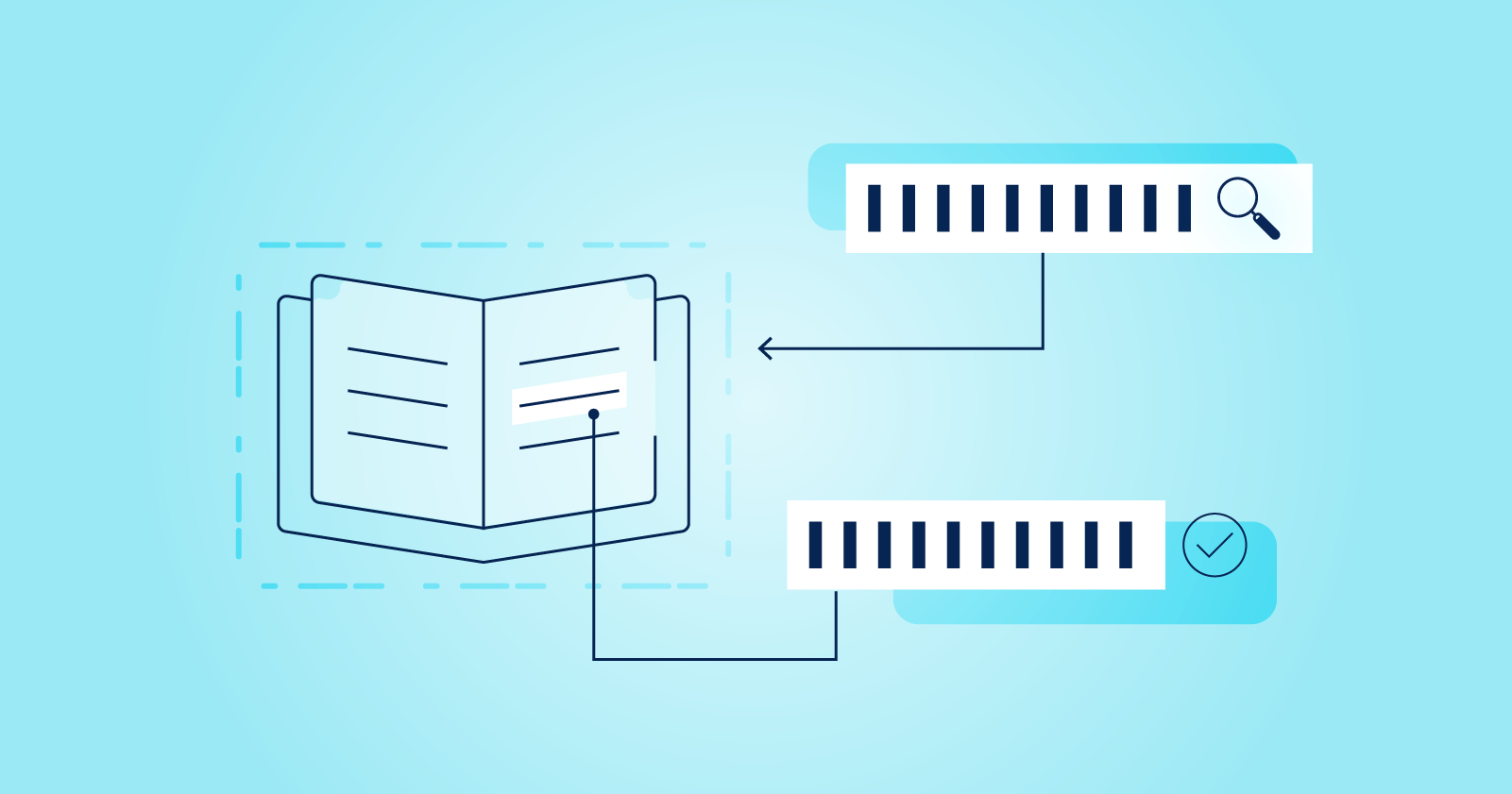
Semantic Search Services use advanced technology to help you find information based on meaning and context, not just keywords. This approach connects related terms, synonyms, and concepts, making search results more relevant. For medical devices, this means faster access to critical data and improved decision-making. You gain a clearer view of your information landscape.
3. What are the benefits of Semantic Search Services for Medical Devices?
You benefit from faster data retrieval, improved accuracy, and better compliance with industry regulations. Semantic search helps you connect clinical, regulatory, and technical data across silos. This leads to time savings, fewer manual errors, and stronger audit trails. The result is more efficient operations and better support for innovation.
4. How do you choose the right provider for Semantic Search Services?
Look for a provider with proven experience in medical devices, strong technical skills, and a clear delivery approach. Ask about their track record with similar projects and ability to handle compliance requirements. Evaluate their understanding of your data landscape and integration needs. Prioritize partners who offer practical guidance and transparent communication.
5. What's the difference between boutique and Big 4 consulting for Semantic Search Services?
Boutique firms like Datavid offer specialized teams, direct access to experts, and tailored solutions. Big 4 consultancies often use larger teams and standardized delivery models. You may find more agility and personalized attention with a boutique provider. Consider your project’s complexity and need for industry-specific expertise when deciding.
6. How long does it take to implement Semantic Search Services?
Most enterprise projects take 3-9 months from planning to rollout. Timelines depend on data volume, integration complexity, and regulatory requirements. Smaller pilots may finish faster, while large-scale deployments need more time for validation. Clear goals and strong project management help keep schedules on track.
7. What are the common challenges in Semantic Search Services projects?
Common challenges include data quality issues, integration with legacy systems, and meeting compliance standards. You may face resistance to change or unclear data ownership. Address these early with strong stakeholder engagement and clear governance. Choose a partner with experience solving these problems in medical device environments.
8. What should you look for in a Semantic Search Services implementation partner?
Prioritize partners with deep domain expertise, a strong delivery track record, and knowledge of regulatory compliance. Look for clear communication, proven methodologies, and references from similar projects. The right partner will guide you through technical, operational, and compliance hurdles for a successful outcome.